
Maxim Februari’s “Doe zelf normaal” (untranslatable I guess, but this house of representatives debate is the basis for the title) for me the most though-provoking thing I read in 2025. The essay (in Dutch) is from 2023.
We like to imagine technology as something neutral: a tool that just helps us do things faster or more conveniently. And usually that’s true. But there’s a deeper shift happening – one that quietly moves moral responsibility away from people and toward systems. Maxim Februari calls this the automation of virtue. It’s the moment when technology begins to define what good behaviour is, and then enforces it.
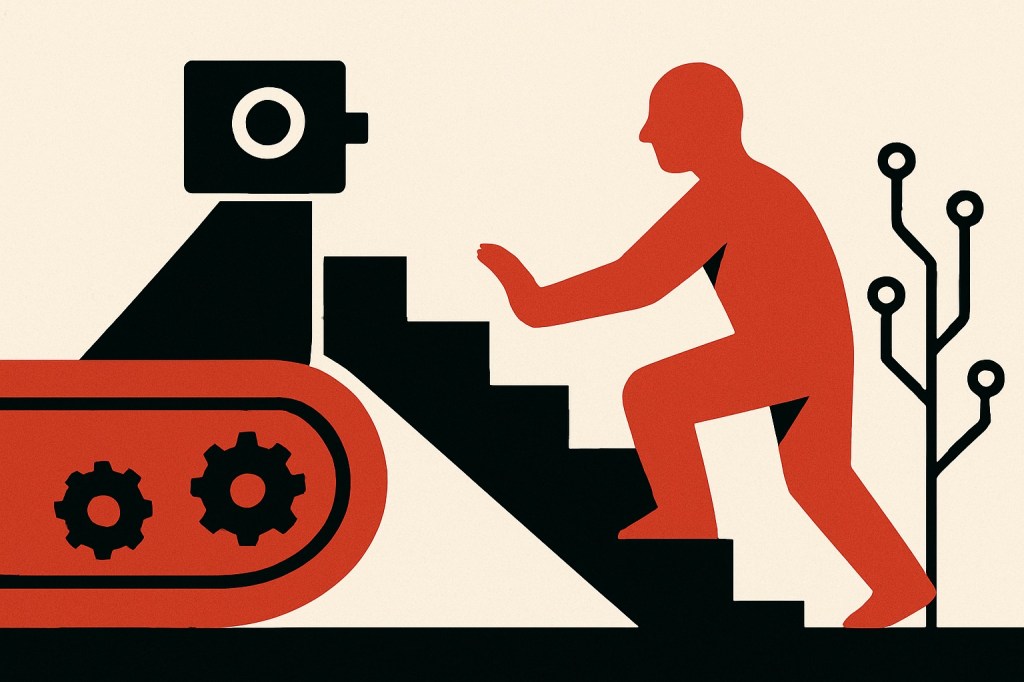
An example: speeding. In the old days we could choose to speed and run the risk of a ticket. Or we could get lucky. On many European roads, a camera now records speeding cars and automatically sends a ticket. The new system is an efficient system: fewer mistakes, fewer disputes, fewer costs. And most importantly: fewer people getting killed.
They are just not that into us
So what’s the problem, according to Februari? He doesn’t deny that much automation is actually great – it’s predictable, traceable, and usually fair. Februari is worried though that before we realise it, technology will be so omnipresent that we will live in a society that offers us no choice but to “obey”.
We tend to notice the danger only after the automation is already in place. A loan application is rejected and the bank can’t tell you why. A medical insurance decision is made by an algorithm without explanation. A public service denies access because your data doesn’t fit the predefined template. If you’re lucky enough to be able to ask a human for an explanation, people can’t explain.
What if we can no longer break the law?
Februari also argues that having the opportunity to challenge and sometimes break the law is of vital importance.
Kids for example learn the value of rules & laws by (trying) skipping school. I did. And after school my parents often had no idea where I was or who I hung out with. Parents can now see in an app if their child skipped school, along many other metrics. Many parents track their kids’ locations and have access to (and check what they do on) on social media. Many children are already living in this world that I would find quite dystopian to live in.
Most big societal changes were made possible by people who challenged and broke the law: Rosa Parks, the black woman who refused to give up her seat to a white person, forced the government to address racial segregation. Gandhi was arrested many times, Mandela, Snowden… What if the computer was in charge at that time?
Give up freedom to save the planet?
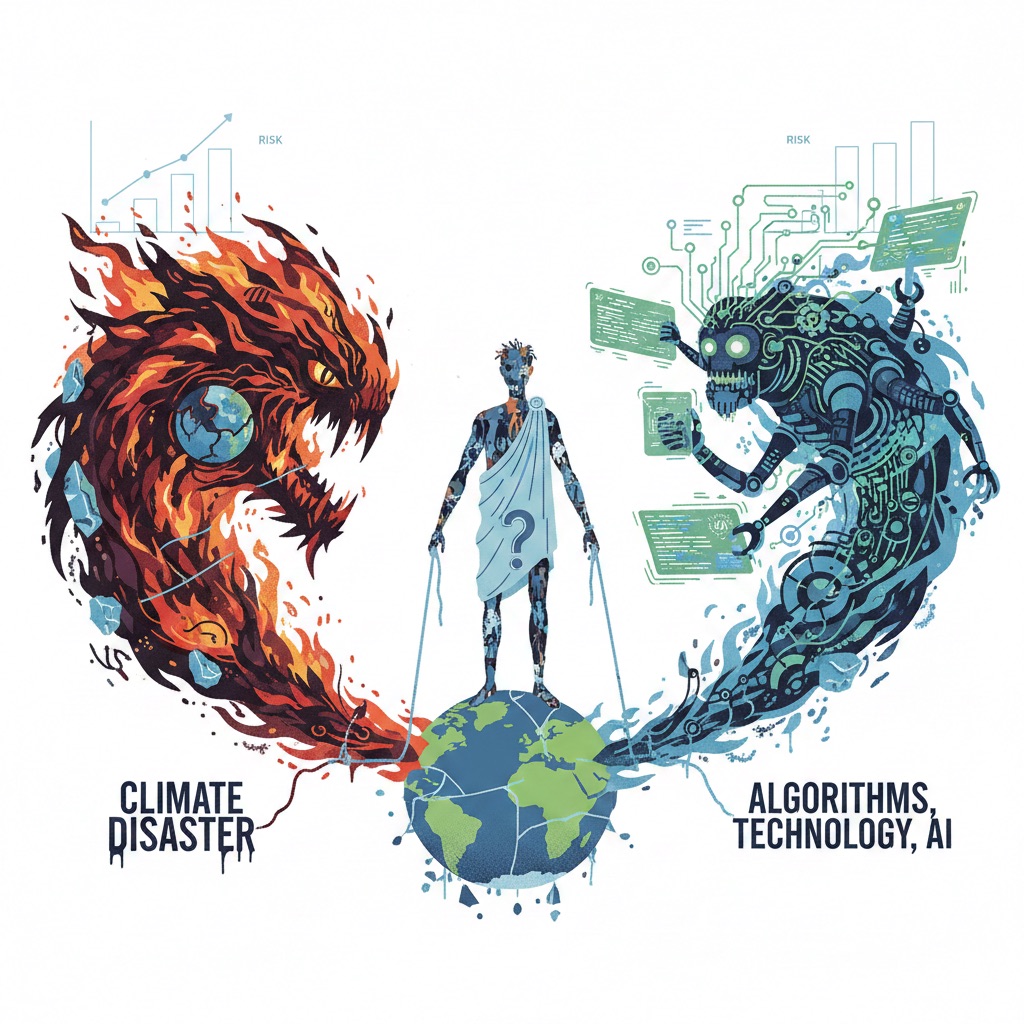
Februari really hit home (to me) when he explains that democracy is under pressure from two sides: technology on one side, and climate disaster on the other. Many (most?) people will agree that it’s worth giving up some of our freedom to guarantee life on earth for humanity in the future. But where do we stop? It’s a slippery slope.
Reading this I thought of Robert Oppenheimer (who led the project to create an atomic bomb) who said, “Technology happens because it is possible.” I’m afraid I agree with Februari and Oppenheimer.
So what can we do? Februari already warns us in the introduction that he will provide no answers. It’s an essay after all… It’s up to us. I think talking about this topic is a good start. And offering strategic resistance where we can now that we still have a legal system with humans we can reason with.
Thoughts? Ideas? Please share in the comments!
