
The latest project I finished was a very fun one: generate concrete ideas to improve ROI (Return on Investment) for a small publisher.
Return on Investment is simply a way to see which activities bring in the most income for the time or money spent, and which ones consume a lot of resources without paying off.
The goal I focused on when discussing with the team: spend more time on activities that bring in more money, so they have more time for life beyond work!
What we did
Step 1: Create a key metrics spreadsheet
My client is present on many social media and websites. The analytics data is overwhelmingly detailed, and spread over about 20 different websites. Too much information in too many places, definitely.
The first step in this project was to determine the most important metrics, and integrate them in one spreadsheet that will be the “performance dashboard”.
Step 2: Analyze time-sheet
My client has tracked every hour they spent on various tasks for more than a year (in software called Toggle). So there was lots of data to work with, but it was very unstructed (more than 250 different tasks) and the data was never analysed.
I divided the tasks into big chunks, which gave us a better overview of what the team spent their time on.
Step 3: Analyze expenses & income
We analysed expenses and income data, and mapped them to the time spent on various tasks. The team was surprised to find out they spent a lot of time on tasks that did not bring in a lot of money, while other tasks were extremely “profitable”.
Step 4: “Naïve questioning” workshop
Based on what I knew about the client I drew up a list of “ideas & questions children would ask” in order to create a list of possible optimisation ideas not (yet) based on data.
With the team we did a “Naïve questioning workshop” (a term that I think doesn’t exist) where we discussed my “stupid” ideas and questions. We dismissed the genuinely stupid / impossible ideas immediately and kept a list of concrete actions we could take now / in the future.
A few of the questions I asked in the workshop to generate ideas:
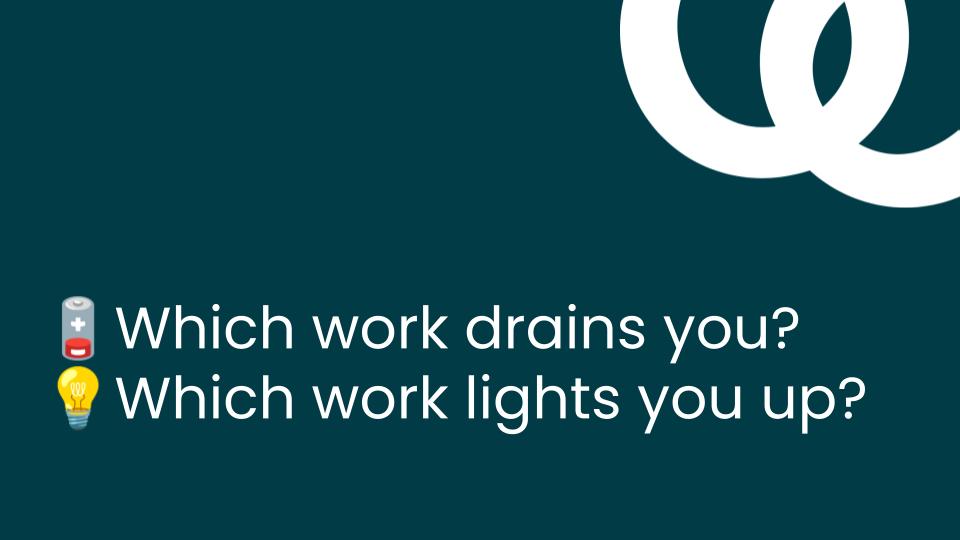
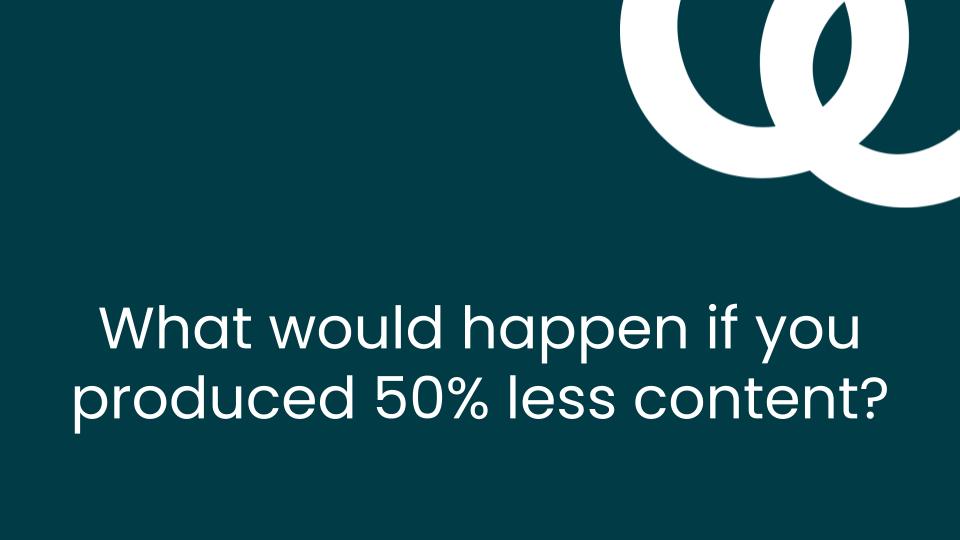
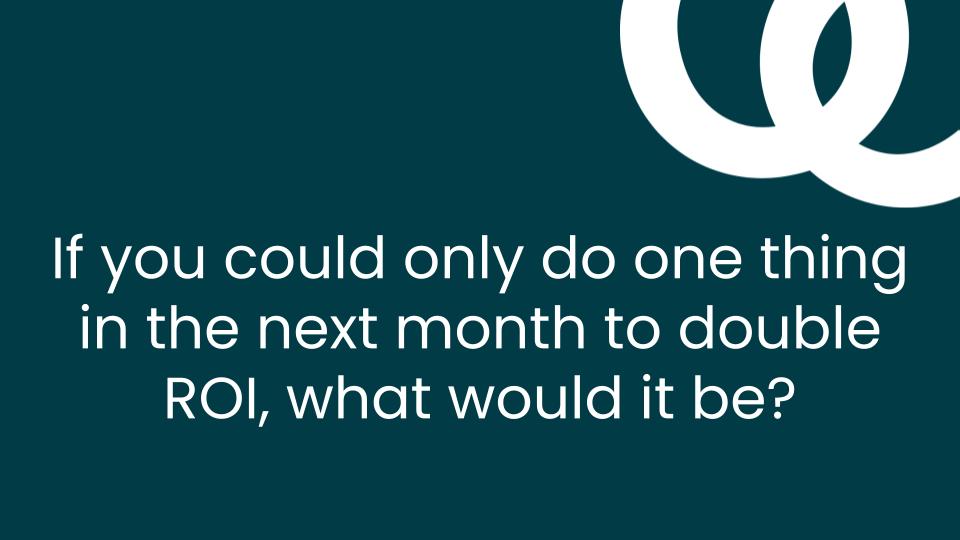

At the end of the workshop we made a list of things to research / back up with data.
Step 5: Draw up a report with ROI ideas
I created a (21 page) report with:
- An analysis of my clients’ margin
- An estimation of the “market potential” of my client’s offering
- Links to all my analysis (Google Spreadsheet)
- A list of recommendations supported by data/workshop.
The results
We created a document with 25 main recommendations supported by data. My client is excited and enthusiastic about the ideas. But of course ideas are just ideas and the hard part is actually implementing them and convincing team members of the need for change. So many plans end up in a drawer….
It was great to see my client immediately started working on prioritising which recommendations to follow up first. They’ll start with the (many) “low hanging fruits” – changes that are relatively easy to implement and lead to an improvement of ROI fast.
What can I do for you?
Need help finding out how your team can work less while generating the same or more income so you can have a nicer life? Get in touch!
